How Portable Power Solutions Support Modern Homes and Businesses

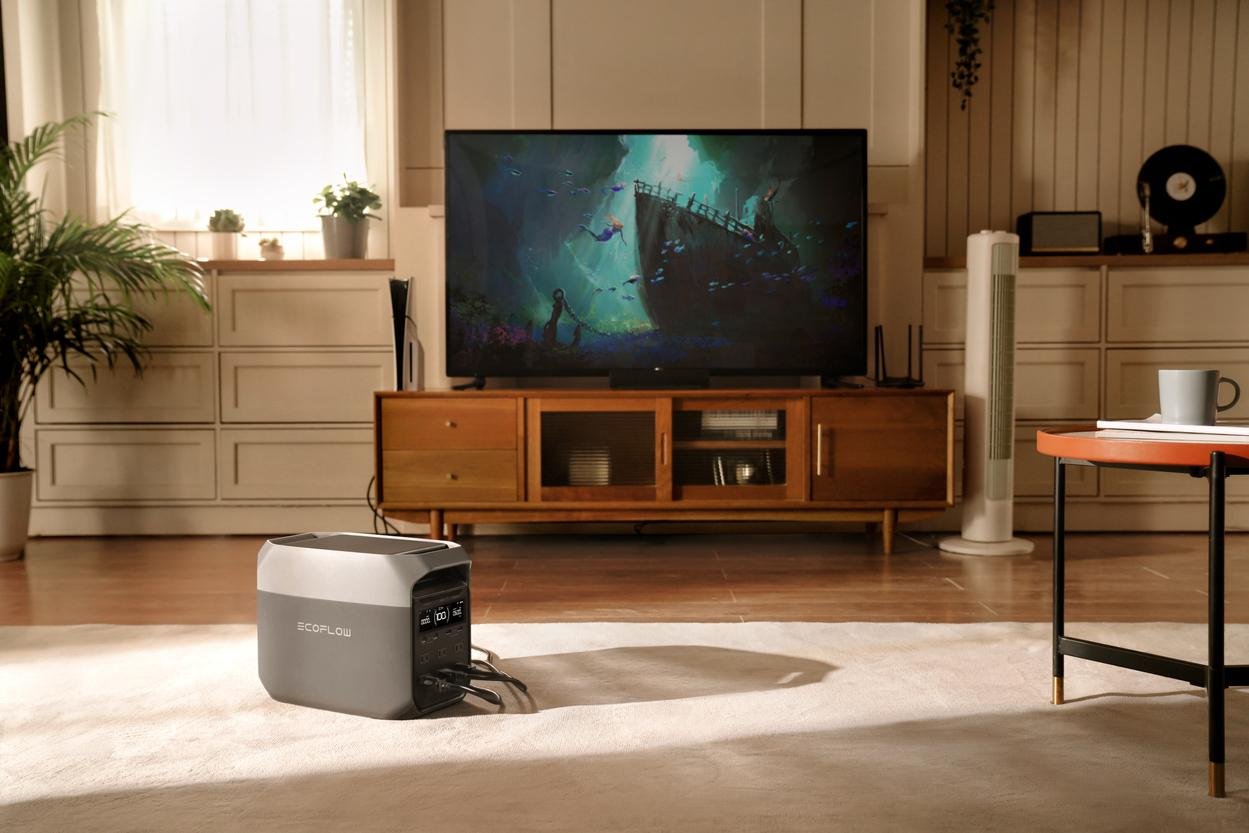
Portable power solutions are becoming an increasingly practical part of modern homes and business environments. From unexpected power interruptions to flexible mobile workspaces, portable power stations provide convenient access to stored electricity when traditional power outlets are unavailable.
For households, they can help keep selected essential devices operating during temporary outages. For businesses, portable energy systems can support mobile equipment, temporary workstations, and activities that require flexible power access.
As technology continues to evolve, choosing the right portable power solution can help users improve convenience, prepare for changing energy needs, and maintain greater flexibility in everyday life and work.
Reliable Power for Modern Homes
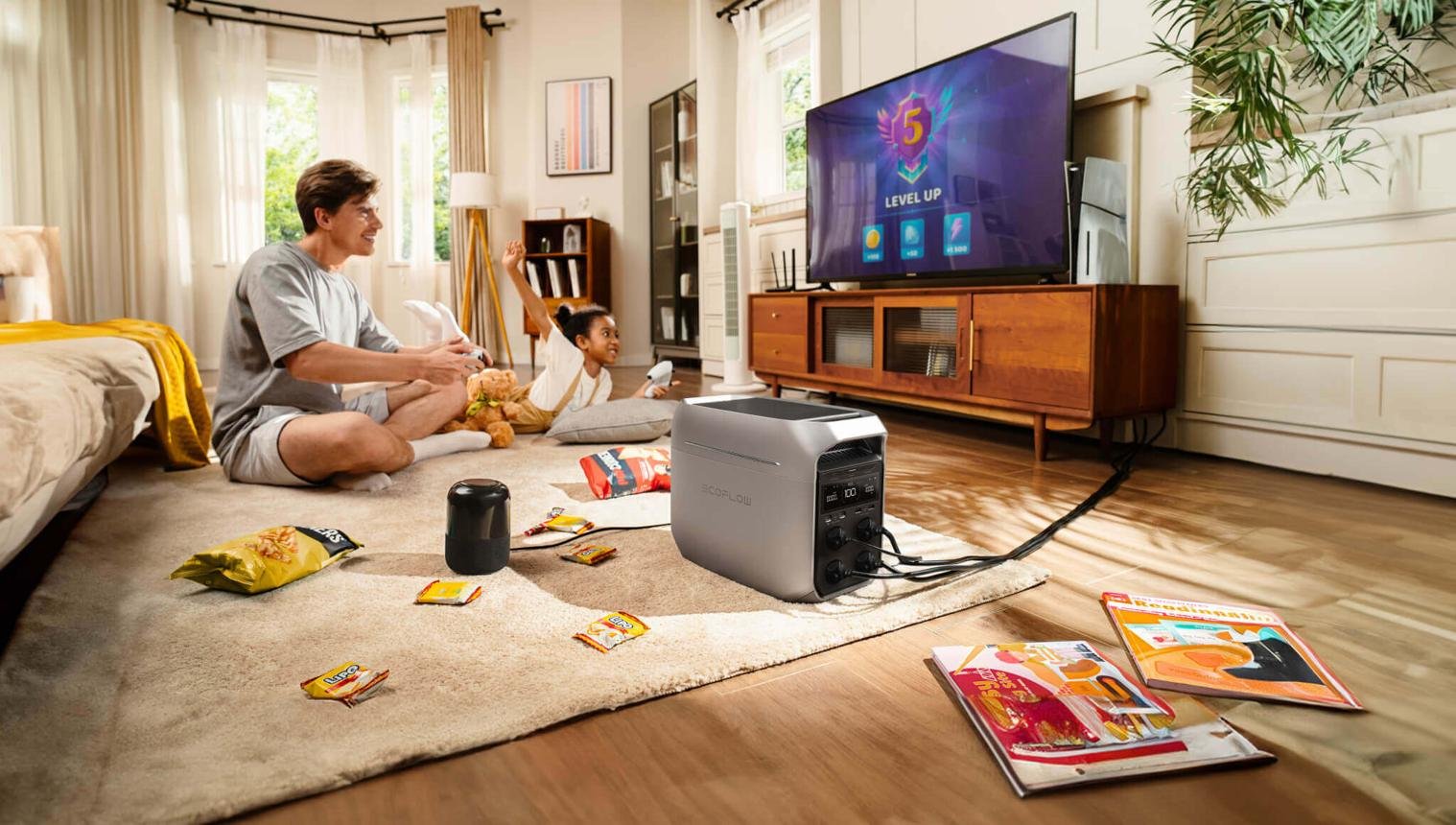
Portable power stations offer a flexible backup option for households that want to prepare for temporary electricity interruptions. Depending on the battery capacity and output specifications, these devices may support lighting, communication equipment, laptops, and selected small household appliances.
Unlike conventional fuel-powered generators, battery-powered stations do not produce on-site exhaust emissions during normal operation. Their relatively quiet operation and convenient charging options make them useful in a range of home environments.
When selecting a home backup solution, households should consider the devices they need to operate, expected runtime, charging methods, and the manufacturer's safety recommendations. Choosing an appropriate model helps balance performance, convenience, and portability.
Flexible Energy for Business and Work
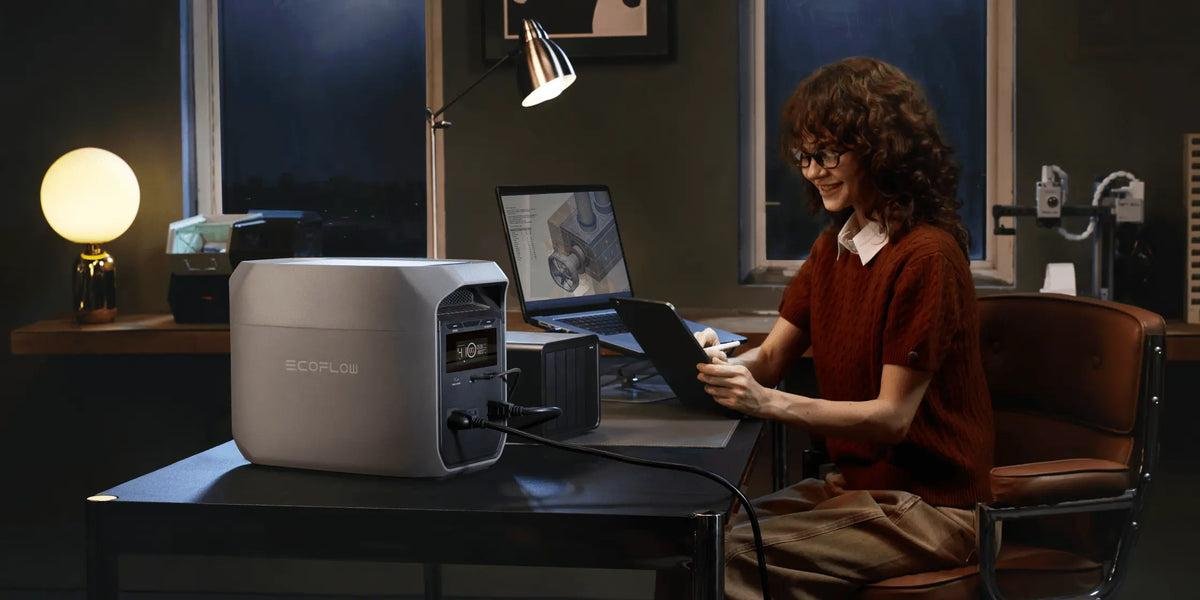
Portable power solutions can also support a wide range of commercial and professional applications. From temporary exhibitions and mobile service operations to remote work environments, reliable access to electricity is important for maintaining daily productivity.
Portable power stations can provide electricity for compatible laptops, communication equipment, lighting systems, and other electronic devices. Their rechargeable design makes them convenient for locations where fixed power outlets are limited or unavailable.
For commercial buyers, selecting a suitable power solution involves evaluating battery capacity, output requirements, portability, charging flexibility, and expected operating conditions. Choosing equipment that matches actual business needs helps improve operational efficiency and reduce unnecessary interruptions.
Choosing the right portable power station starts with understanding how and where it will be used. Different applications require different levels of battery capacity, power output, and charging flexibility.
For home use, buyers should consider which essential devices may need backup power and how long they are expected to operate. For business applications, equipment compatibility, transportation requirements, and operating conditions are equally important.
It is also helpful to review the manufacturer's technical specifications, battery technology, charging options, safety features, and warranty terms before selecting a product.
By matching product capabilities with actual usage requirements, households and businesses can make more informed purchasing decisions and choose portable energy solutions that fit their needs.