The Complete Guide to Portable Power Stations: Features, Benefits & Applications

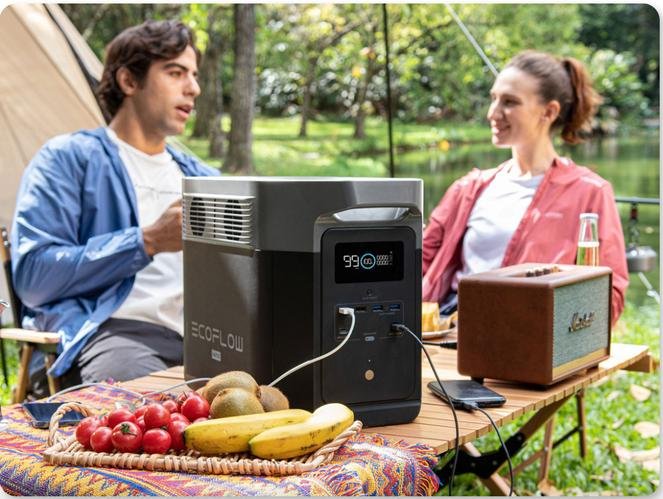
Portable power stations have become an increasingly practical energy solution for modern households, outdoor enthusiasts, and businesses. Whether you are preparing for unexpected power outages, planning a camping trip, or working in a location without convenient access to electricity, a portable power station can provide flexible and reliable power for compatible devices.
As portable energy technology continues to evolve, understanding the features, benefits, and applications of these products can help individuals and businesses make more informed decisions.
In this guide, we explore the essentials of portable power stations, including how they work, what features to consider, and how to select a suitable solution for different energy requirements.
What Is a Portable Power Station?
A portable power station is a rechargeable, battery-powered device designed to store electrical energy and supply power to various electronic devices and appliances.
Unlike traditional fuel-powered generators, portable power stations operate without burning gasoline or diesel. Many models feature AC outlets, USB ports, DC outputs, and multiple recharging options.
Depending on the model, portable power stations may be charged through standard wall outlets, compatible solar panels, or vehicle charging systems.
They are commonly used to power laptops, smartphones, lighting equipment, cameras, communication devices, and selected household appliances.
Key Features to Consider
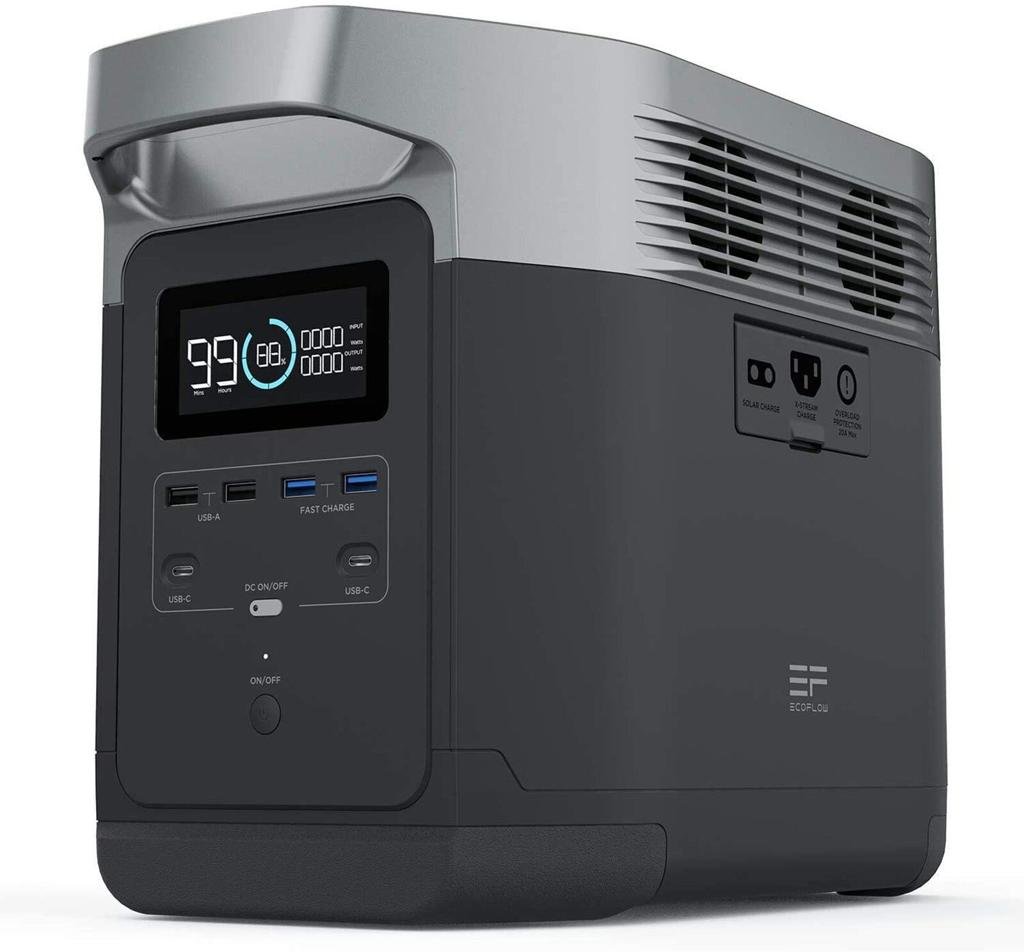
Battery Capacity
Battery capacity is generally measured in watt-hours (Wh). It indicates how much electrical energy a portable power station can store. Higher battery capacity can support longer operating periods, depending on the power consumption of connected devices.
Power Output
Power output is measured in watts (W) and determines which devices can be powered simultaneously. Understanding continuous output and surge capacity is important when selecting a power station for specific applications.
Multiple Charging Options
Many portable power stations support AC charging, solar charging, and compatible vehicle charging. These options provide greater flexibility across different environments.
Portability and Design
Weight, dimensions, handles, and overall construction affect how easily a portable power station can be transported and used.
Safety and Battery Management
A well-designed battery management system helps monitor and manage operating conditions. Buyers should review manufacturer specifications, supported protections, and applicable safety certifications when comparing products.
Benefits of Portable Power Stations
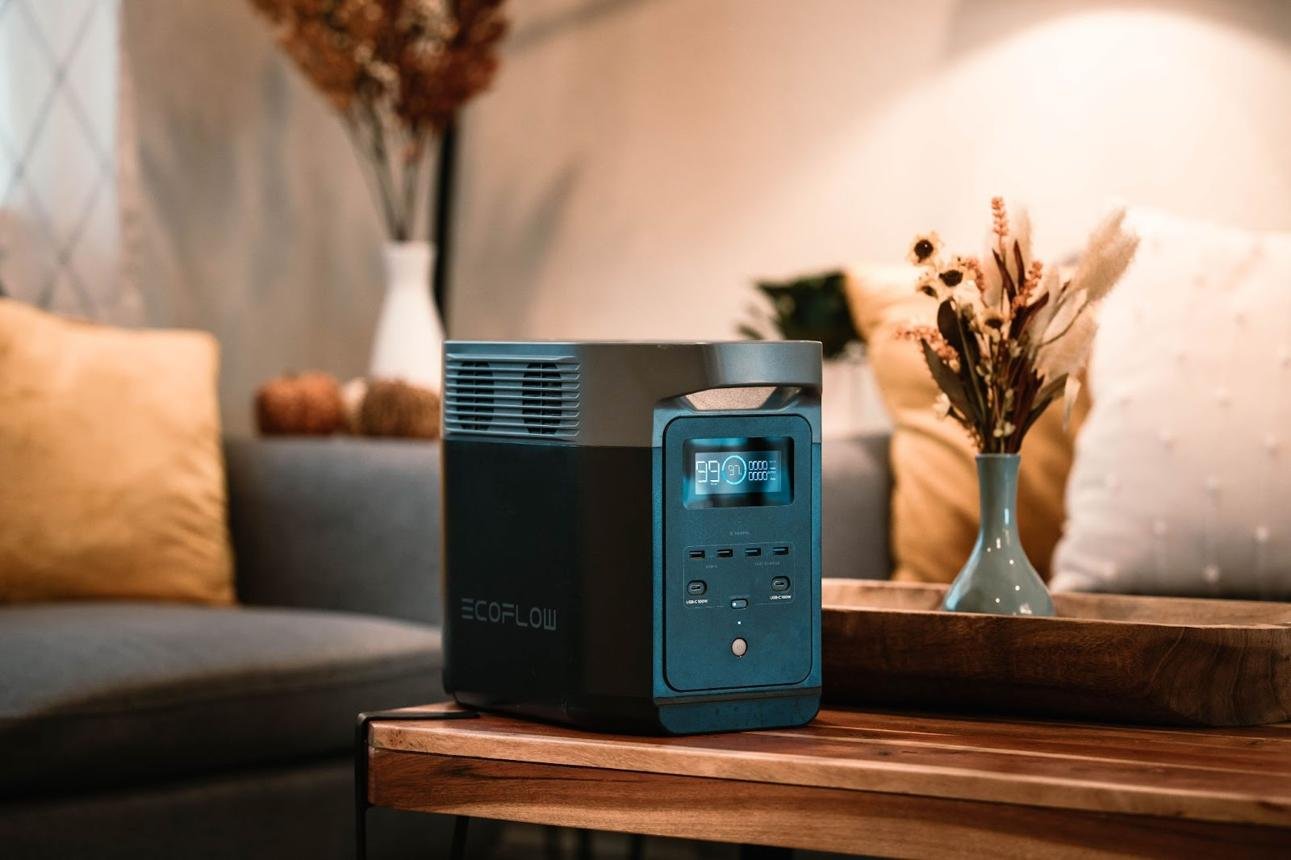
Portable power stations offer several advantages for everyday energy requirements and specialized applications.
Flexible Power Access
They provide stored electricity when traditional power outlets are unavailable, making them useful for outdoor activities, temporary workstations, and selected emergency applications.
Convenient Operation
Most battery-powered portable power stations are designed for straightforward operation and do not require on-site refueling.
Quiet Performance
Compared with conventional fuel-powered generators, portable power stations generally operate with less noise, although certain models may use cooling fans.
Versatile Applications
Depending on their capacity and output specifications, portable power stations can support a wide range of electronic equipment and appliances.
Solar Charging Compatibility
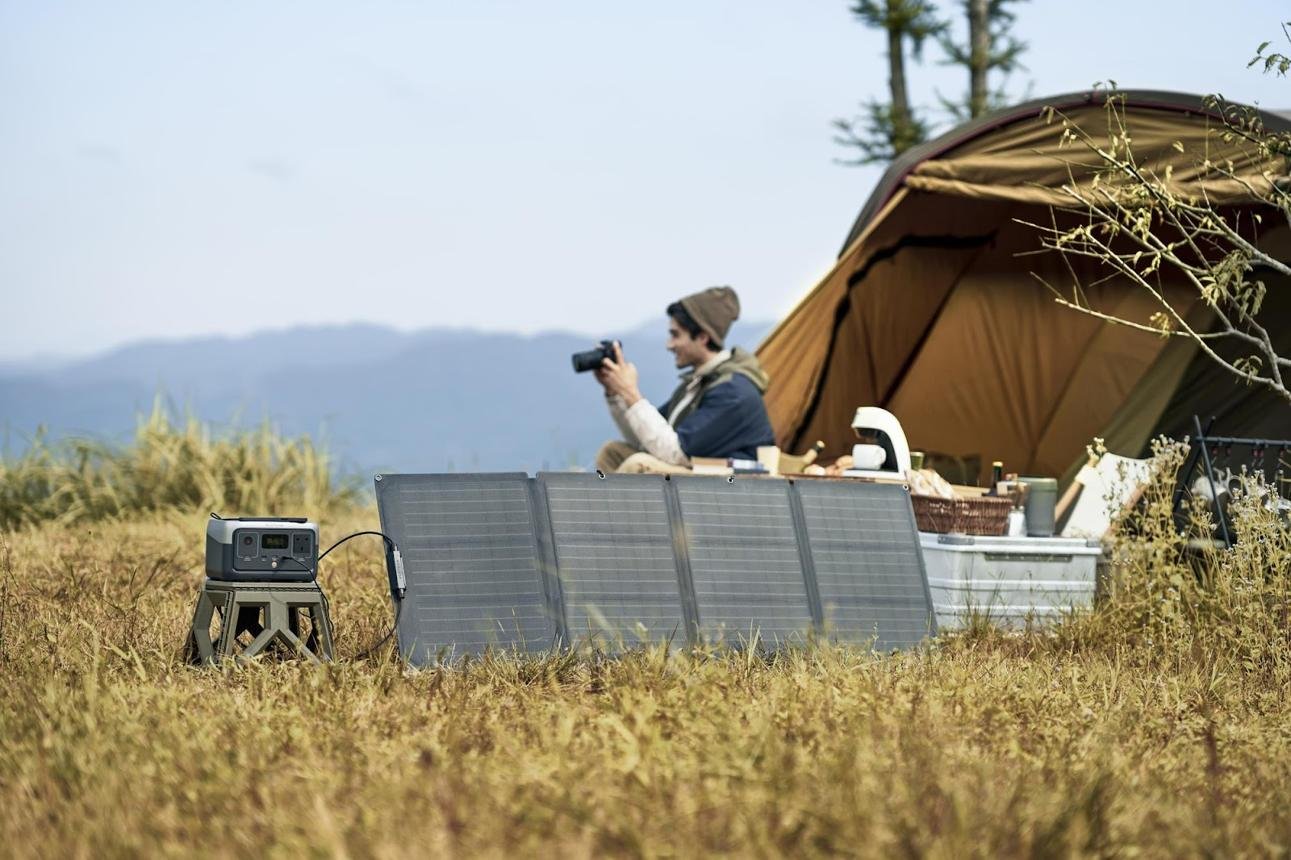
Certain models support compatible solar panels, allowing users to recharge batteries using solar energy when suitable conditions are available.
Common Applications
Home Backup Power
Portable power stations can help supply electricity to selected essential devices during temporary power outages. Depending on capacity and output, they may support lighting, communication devices, and other compatible equipment.
Camping and Outdoor Adventures
Portable energy solutions provide convenient power for camping, road trips, outdoor photography, and recreational activities. They can help charge mobile devices, operate lighting equipment, and support compatible camping accessories.
Remote Work and Mobile Offices
For professionals working outside traditional office environments, portable power stations provide flexible charging options for laptops, communication equipment, cameras, and other essential electronics.
Commercial and Professional Applications
Portable power stations may also support exhibitions, temporary events, mobile service operations, and other business environments requiring access to electricity.